
The Cranes
Haruki Murakami is Japan's most beloved contemporary novelist — a writer who moves between the everyday and the surreal, where jazz plays in empty bars, cities hum with quiet loneliness, and ordinary people find themselves brushing against something mysterious and vast. In Dance, Dance, Dance, his instruction is deceptively simple: whatever life brings, keep dancing. Not in spite of difficulty — through it. The dance is not a celebration. It is a way of being.
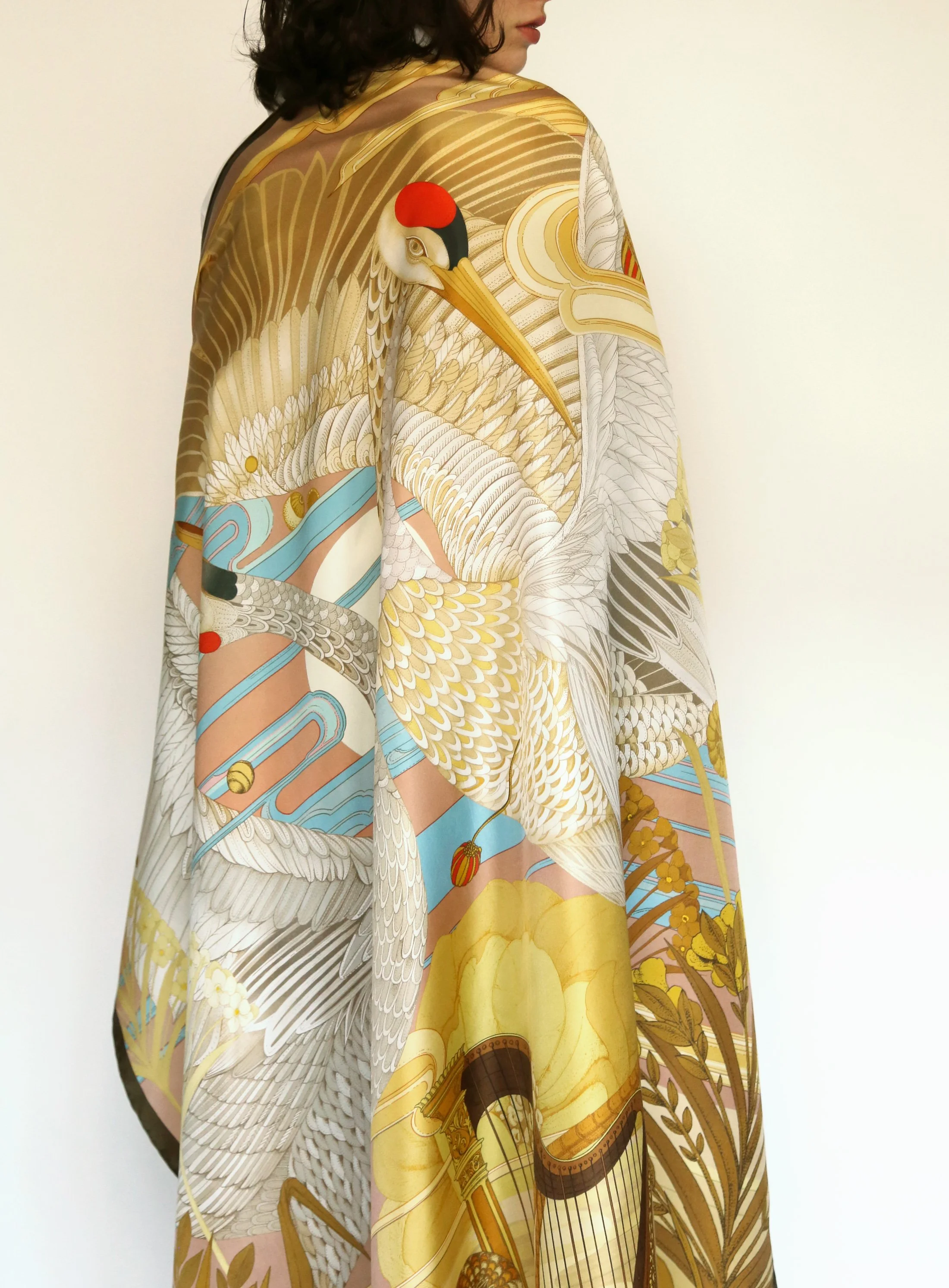
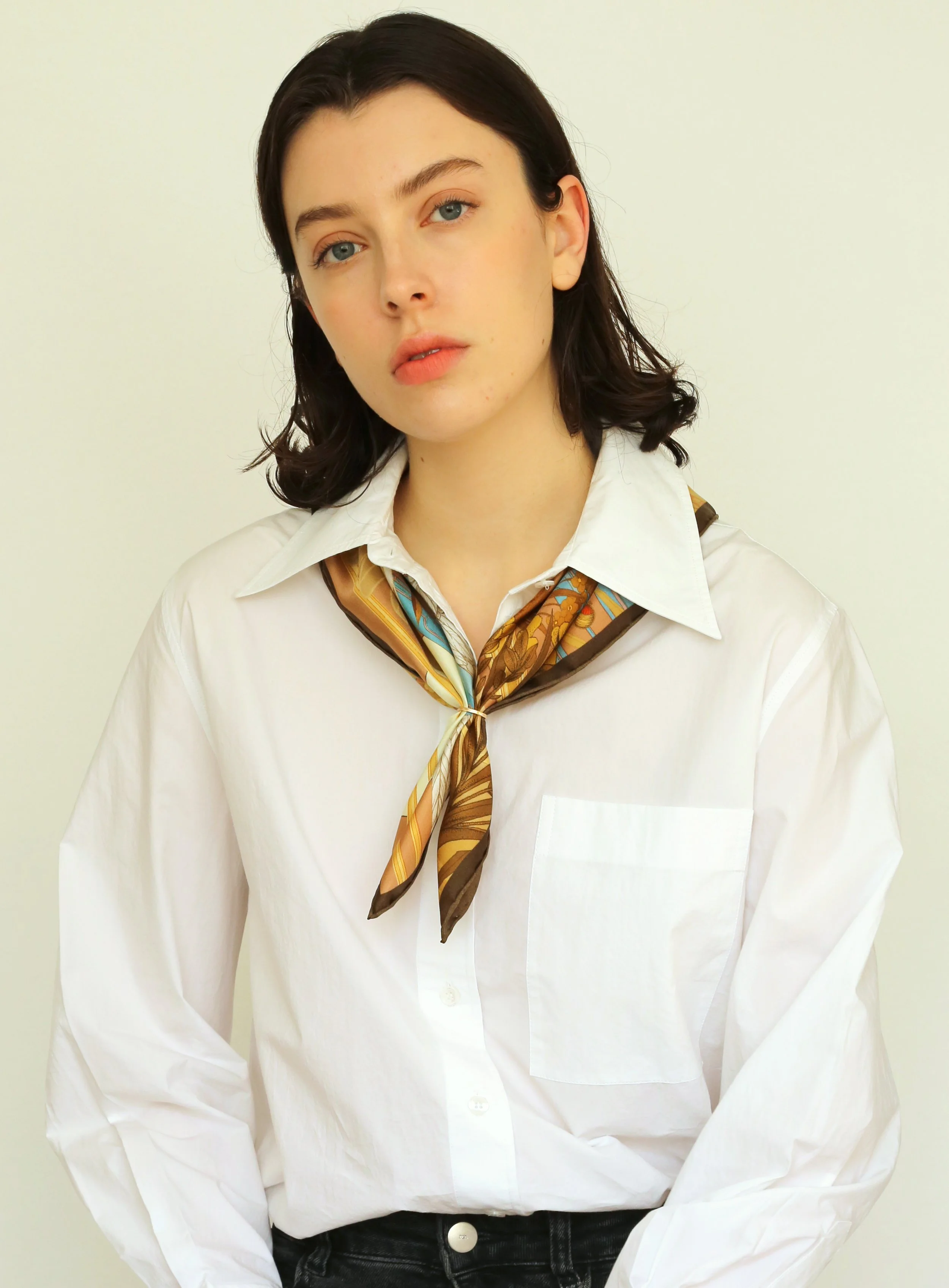
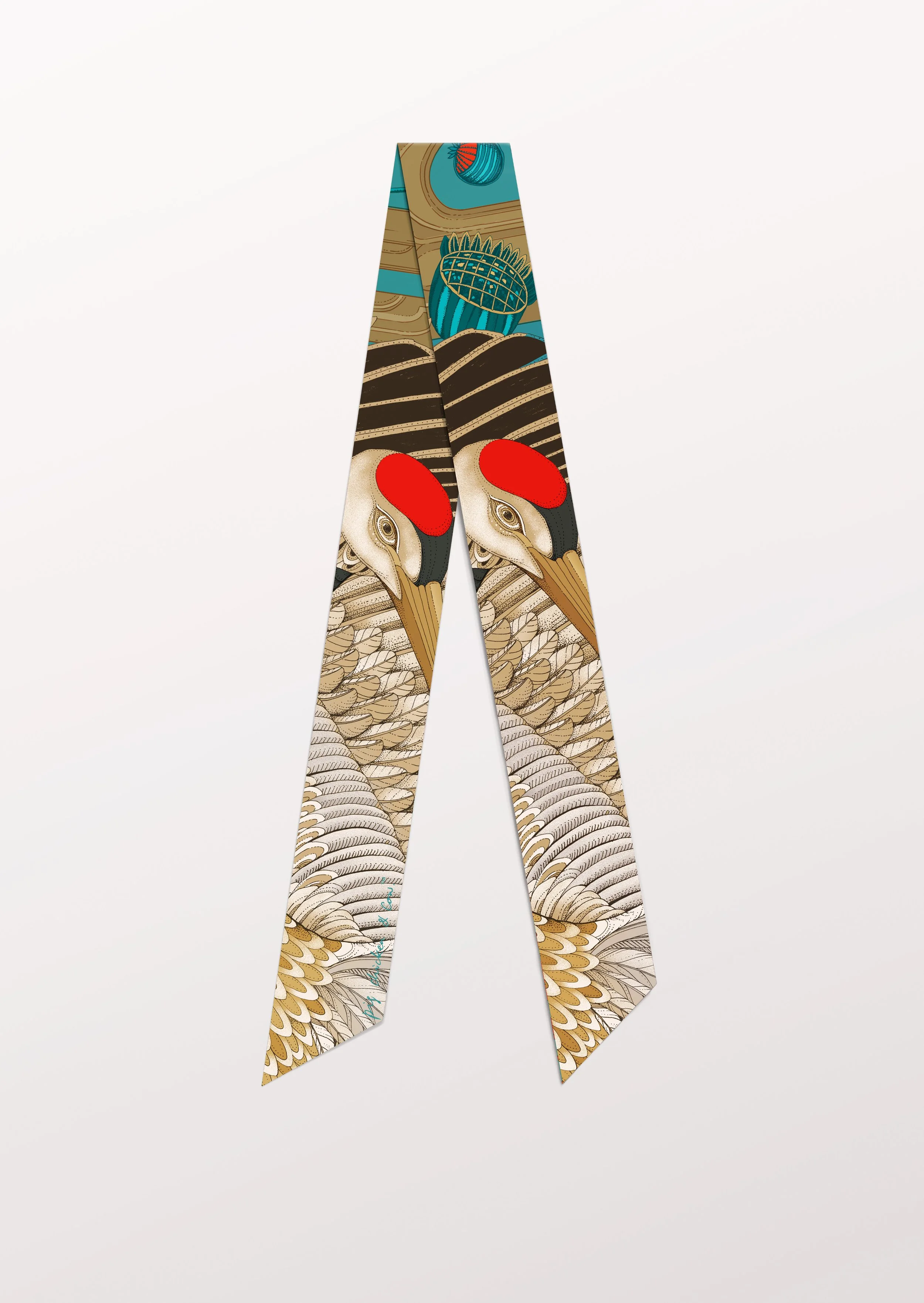
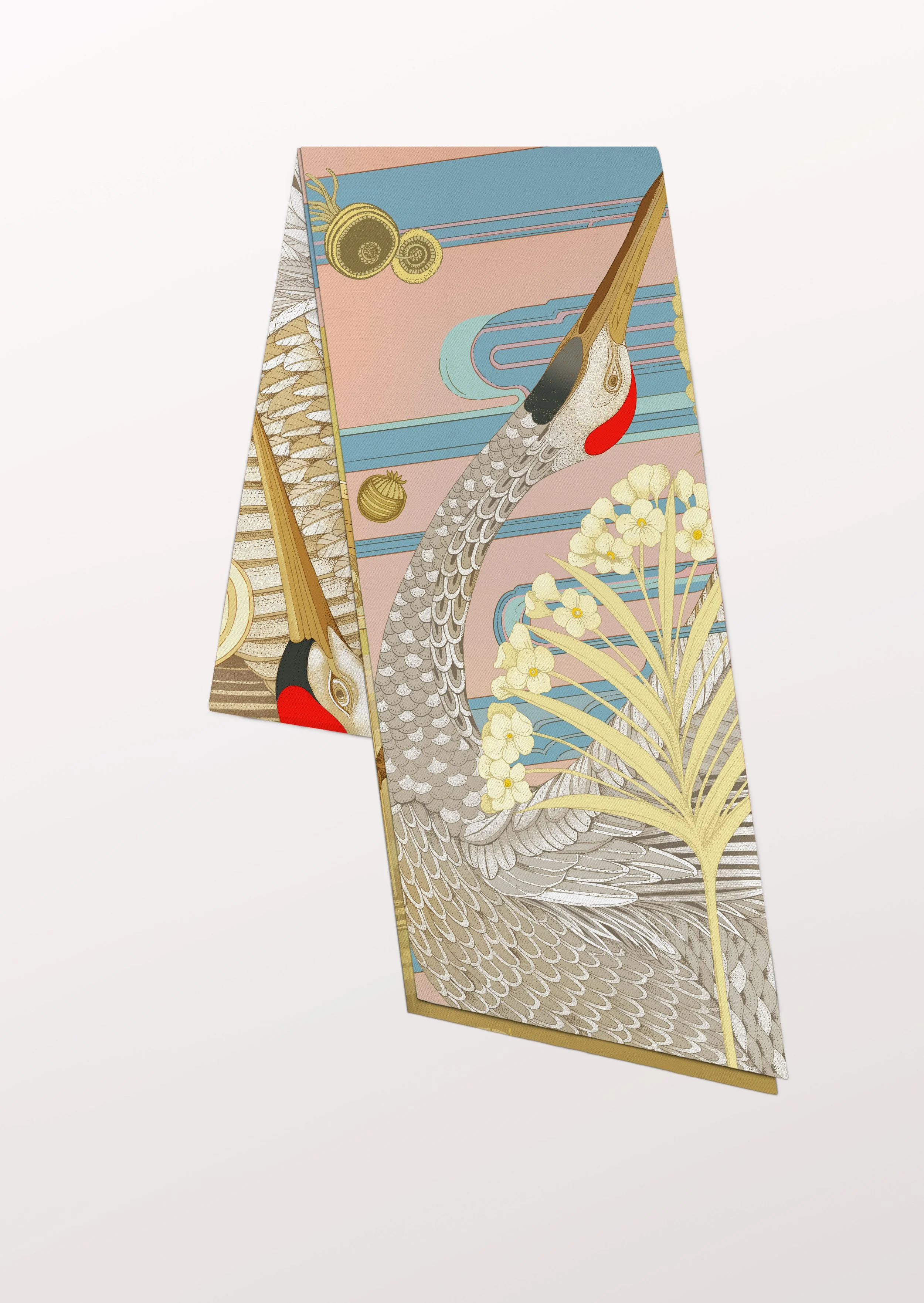
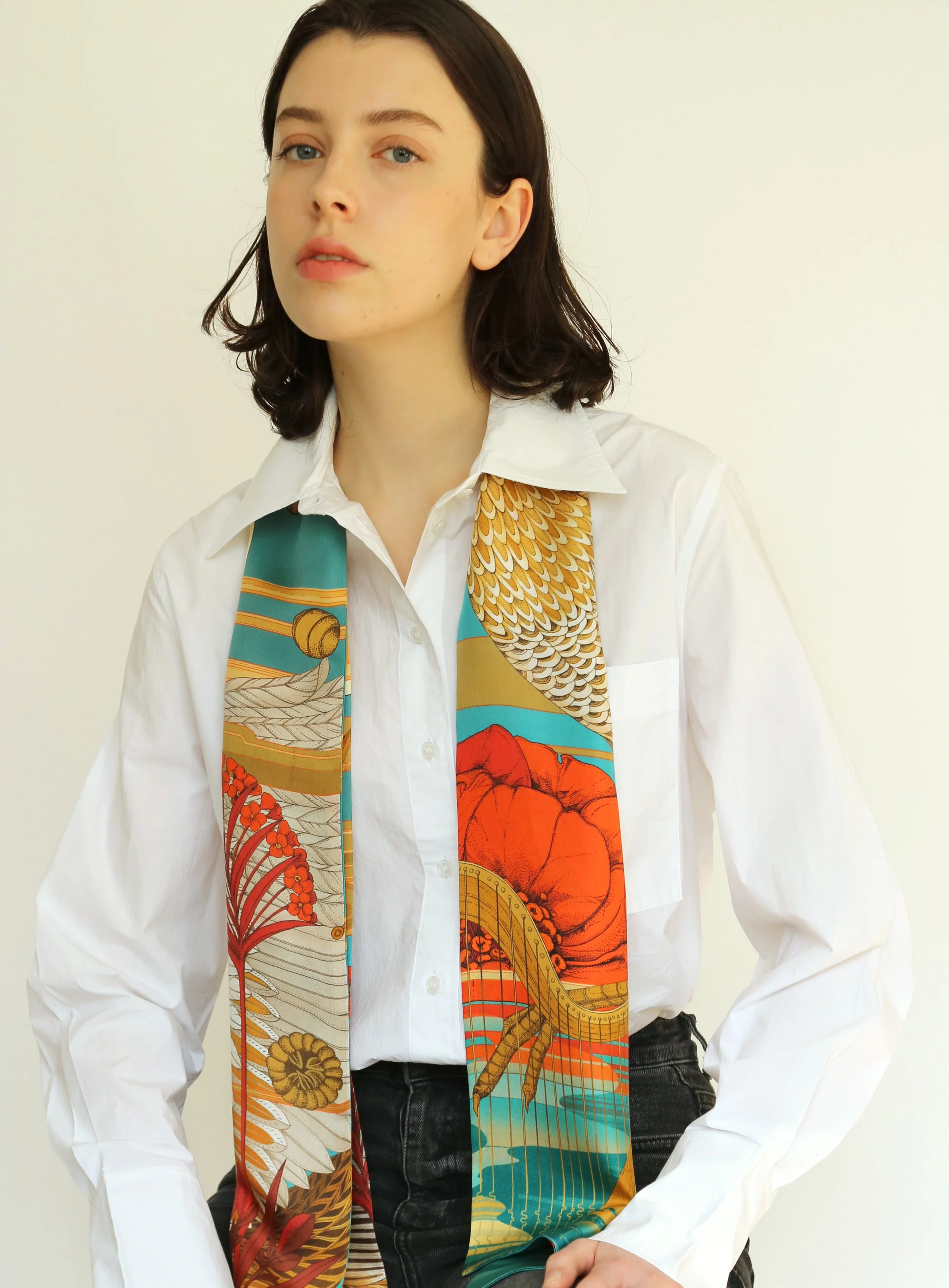
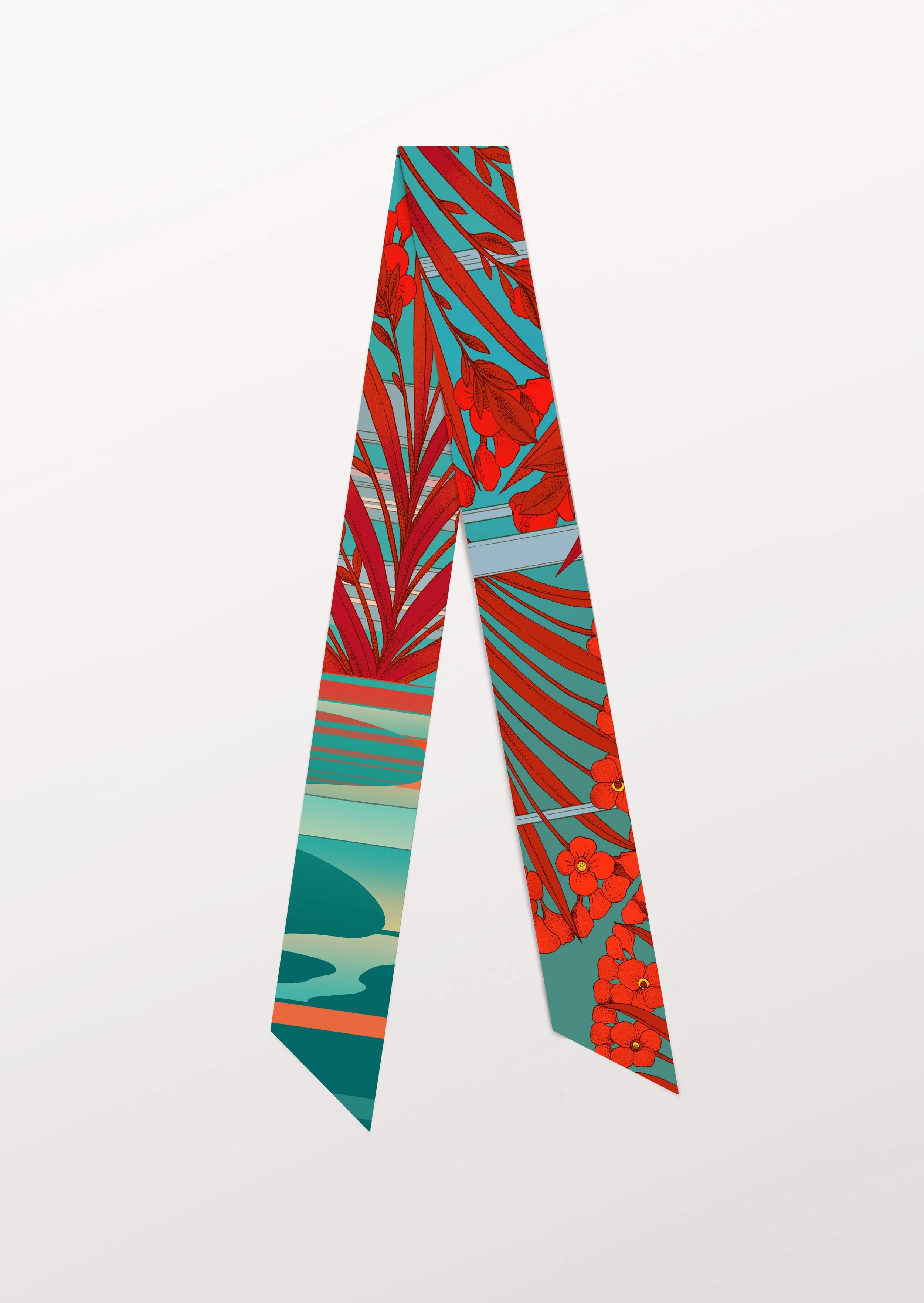
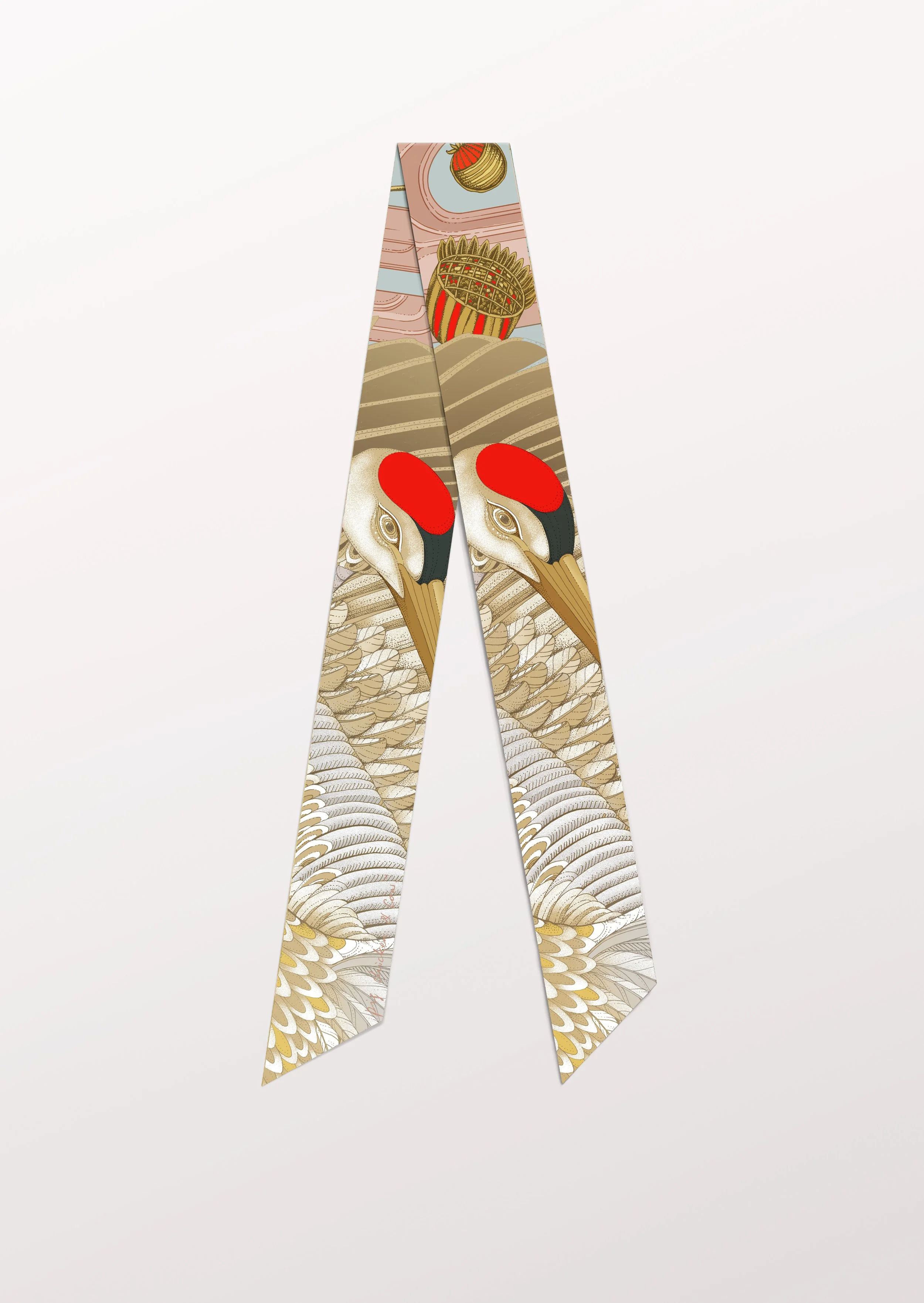
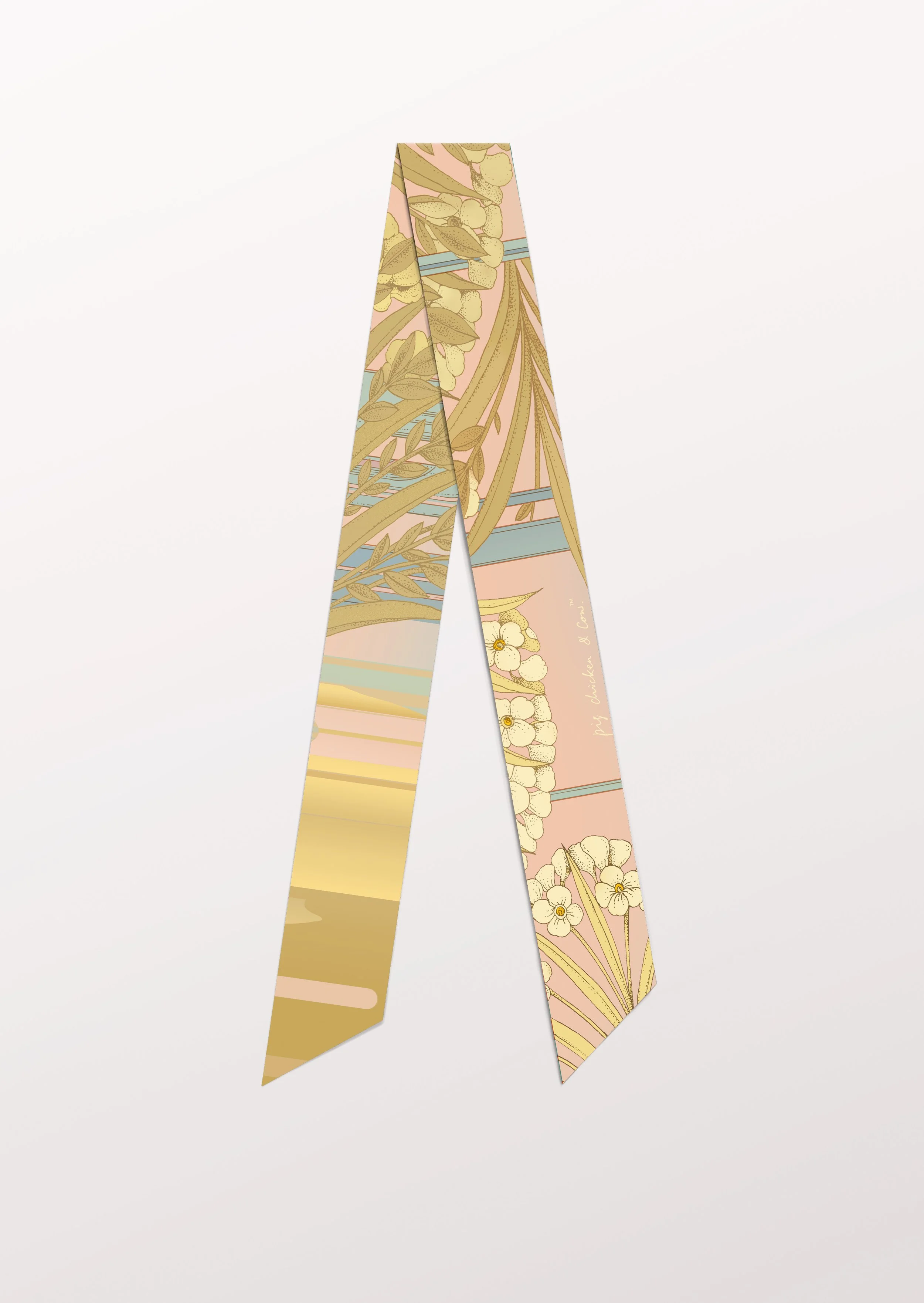
In Asian culture, the crane has always carried the deepest wishes — long life, good fortune, grace that endures. To see a crane dance is to witness something auspicious. These cranes already know Murakami's lesson. They have always known it. Wings spread wide, moving through clouds and reeds and golden air, to a music that needs no audience. Around them the harp plays on, the world blooms between vivid red and quiet gold, and still they dance.
Long life. Good fortune. And the wisdom to keep moving through whatever comes.
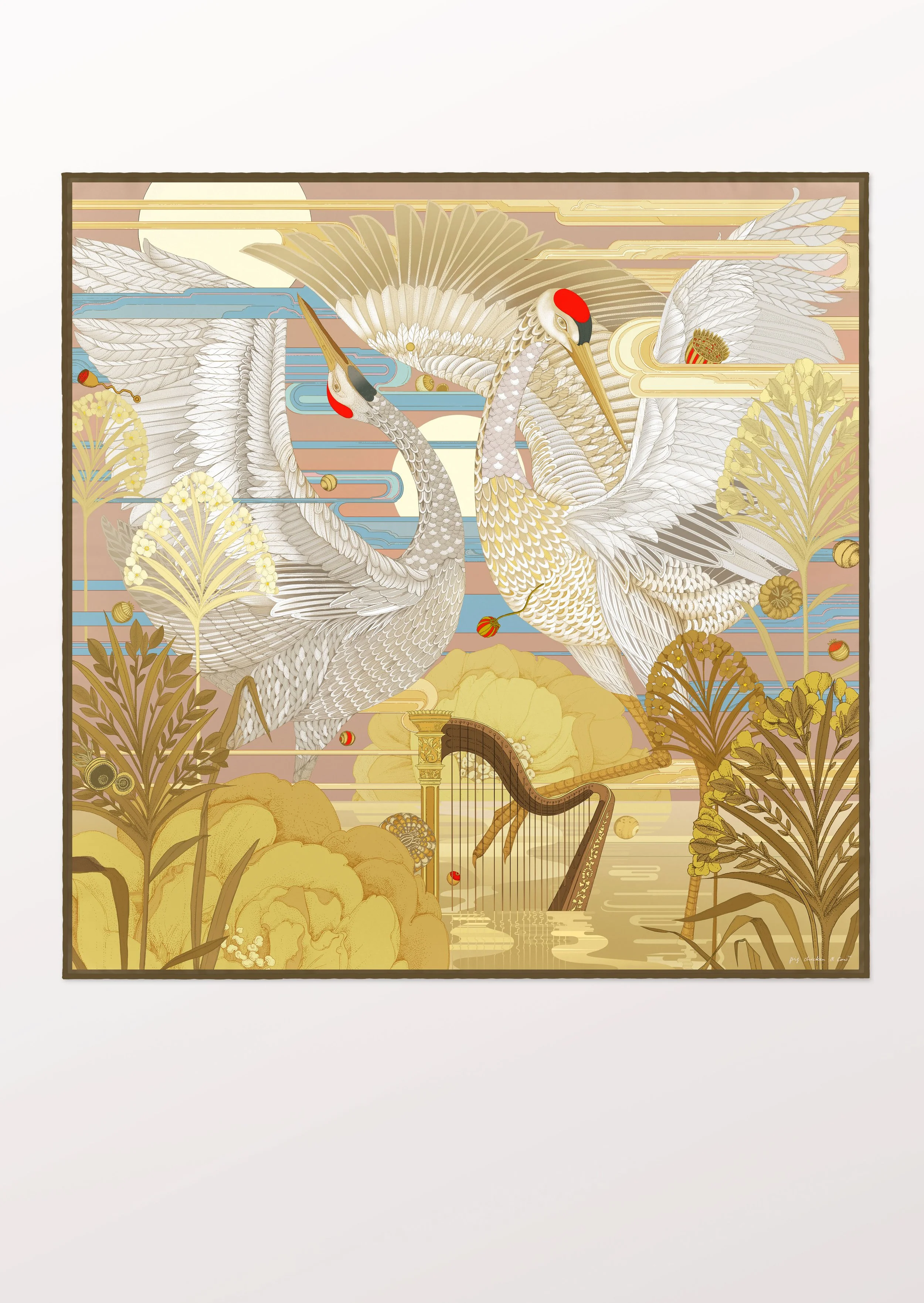
——
Material: 100% Silk Twill
Hand Rolled Edges
Size: 90cm x 90cm
——
Made in the UK
Dry clean only
Designed in London Studio
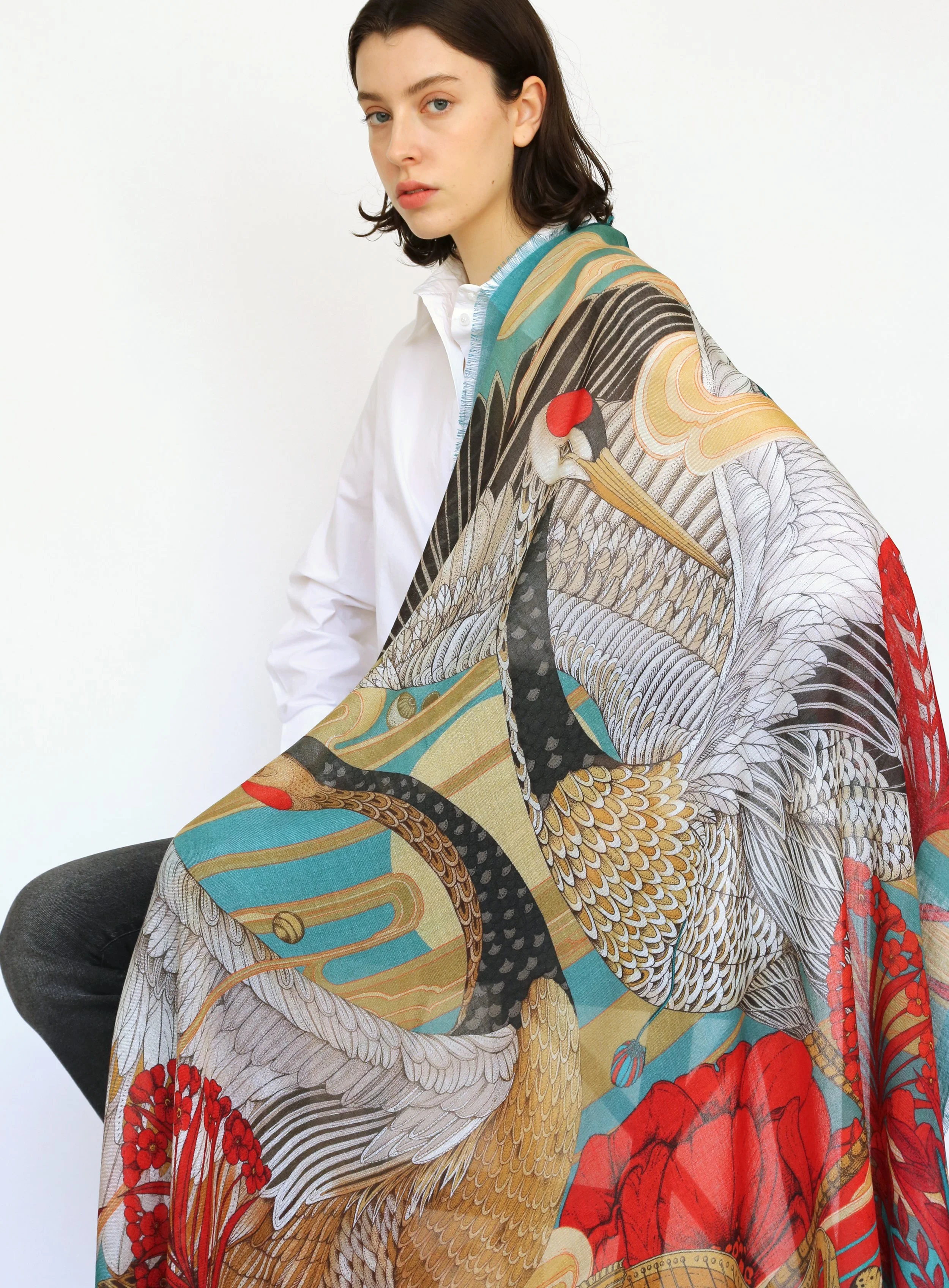
——
Material: 50% Silk 50% Cashmere
Hand Fringed Edging
Size: 138cm x 138cm
——
Made in Italy
Dry clean only
Designed in London Studio
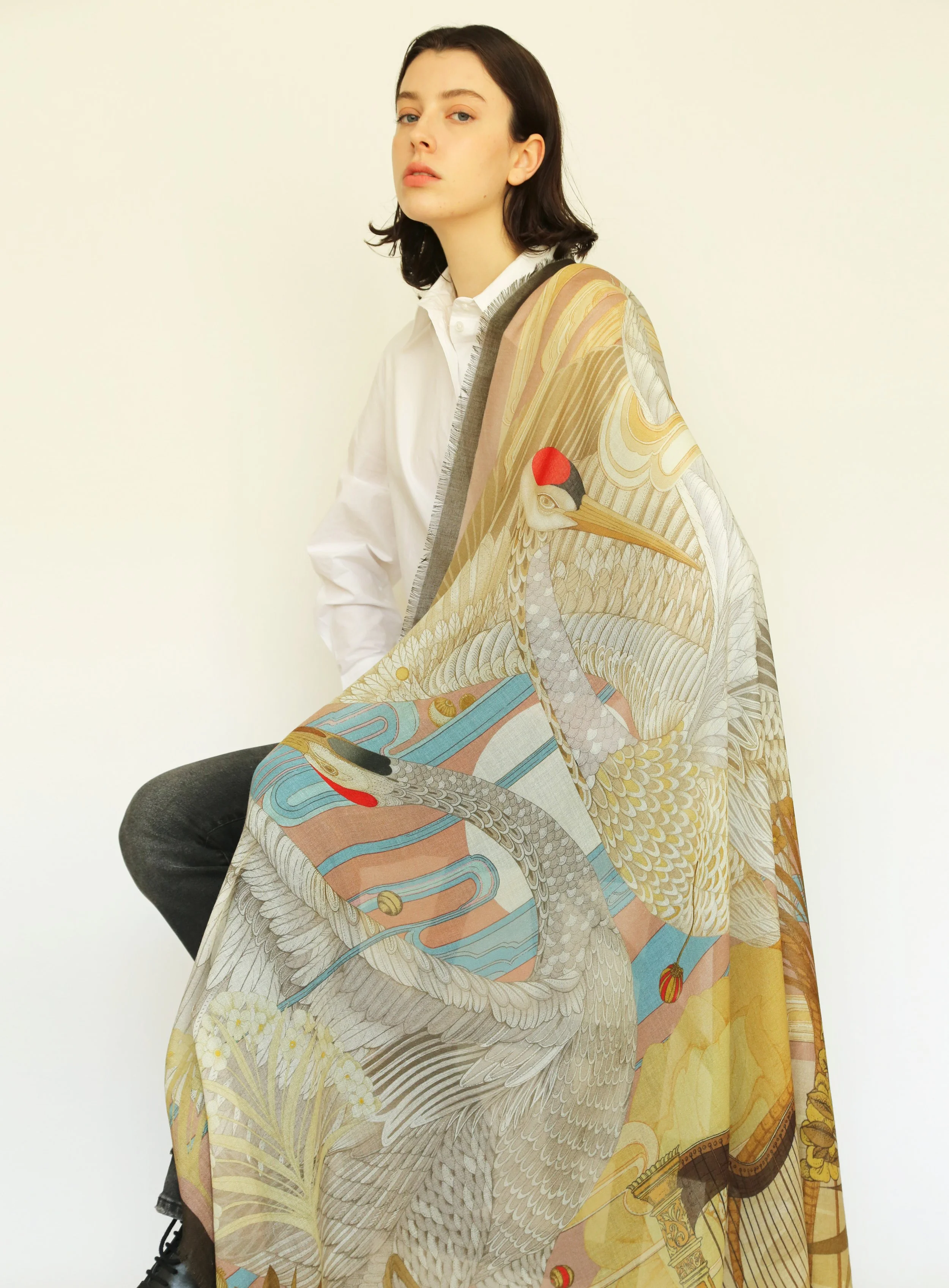
——
Material: 50% Silk 50% Cashmere
Hand Fringed Edging
Size: 138cm x 138cm
——
Made in Italy
Dry clean only
Designed in London Studio
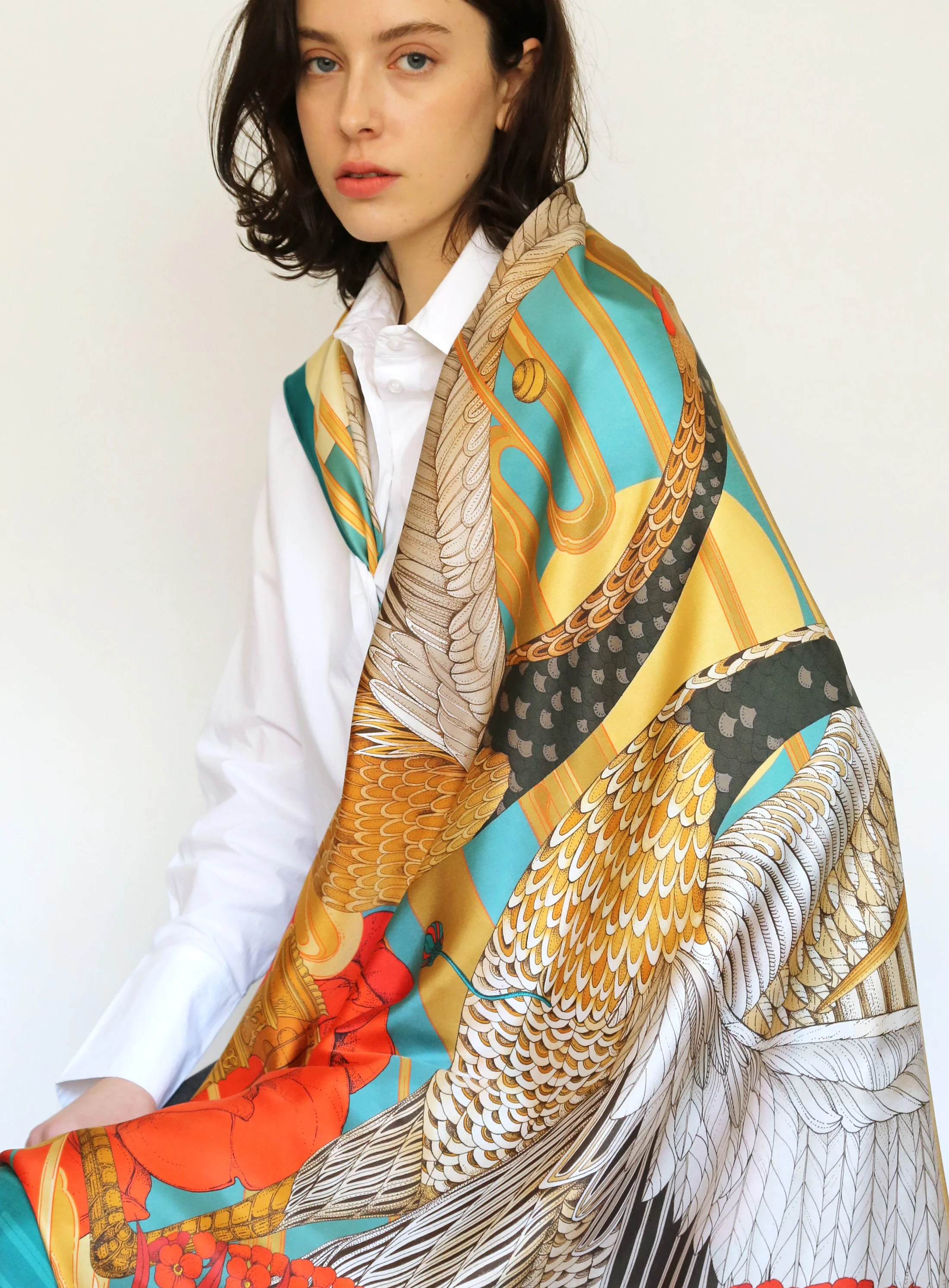
——
Material: 100% Silk Twill
Hand Rolled Edges
Size: 135cm x 135cm
——
Made in the UK
Dry clean only
Designed in London Studio
——
Material: 100% Silk Twill
Hand Rolled Edges
Size: 135cm x 135cm
——
Made in the UK
Dry clean only
Designed in London Studio
——
Material: Silk Twill 100%
Hand rolled edges
Size: 55cm x 55cm
——
Made in the UK
Dry clean only
Designed in London Studio

——
Material: Silk Twill 100%
Hand rolled edges
Size: 55cm x 55cm
——
Made in the UK
Dry clean only
Designed in London Studio
——
Material: 100% Silk Twill
Hand Rolled Edges
Size: 5cm x 86cm
——
Made in the UK
Dry clean only
Designed in London Studio
——
Material: 100% Silk Twill
Hand Rolled Edges
Size: 19cm x 160cm
——
Made in the UK
Dry clean only
Designed in London Studio
——
Material: 100% Silk Twill
Hand Rolled Edges
Size: 19cm x 160cm
——
Made in the UK
Dry clean only
Designed in London Studio
——
Material: 100% Silk Twill
Hand Rolled Edges
Size: 5cm x 86cm
——
Made in the UK
Dry clean only
Designed in London Studio
——
Material: 100% Silk Twill
Hand Rolled Edges
Size: 5cm x 86cm
——
Made in the UK
Dry clean only
Designed in London Studio
——
Material: 100% Silk Twill
Hand Rolled Edges
Size: 5cm x 86cm
——
Made in the UK
Dry clean only
Designed in London Studio
——
Material: 100% Silk Twill
Hand Rolled Edges
Size: 90cm x 90cm
——
Made in the UK
Dry clean only
Designed in London Studio
GPSR
DELIVERY